
Try That Again
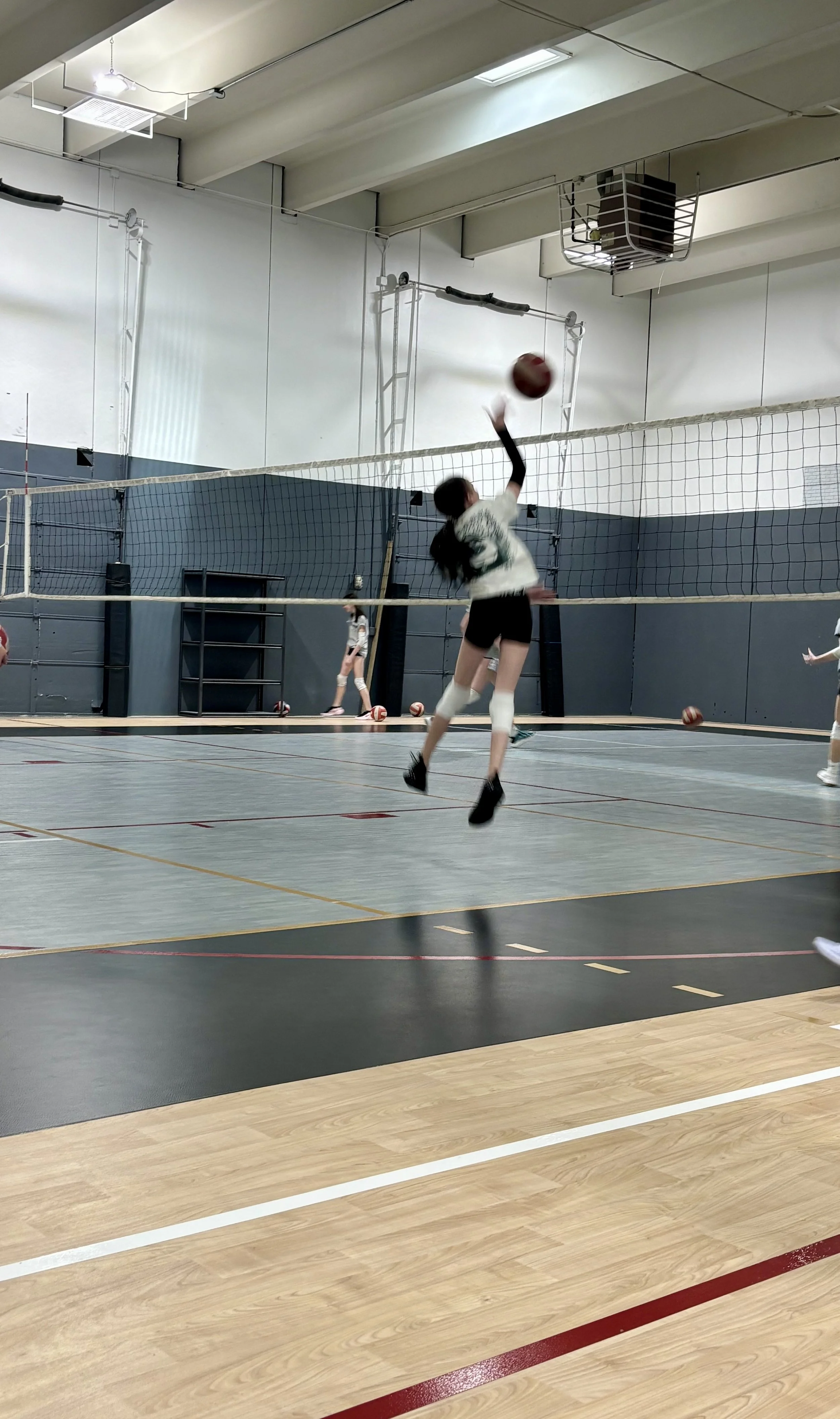
Trying again…
Over the years, I’ve had a lot of opportunities to watch coaches in my kids’ sports.
I’ve seen coaches yell and lose their cool without a clear reason — and watched entire teams shut down in response. When harshness shows up without balance or perspective, heads drop, energy shrinks, and confidence begins to fade.
These are difficult games to watch and, I imagine, even harder to play in.
Kids don’t tend to grow self-belief in environments like this. There is often limited space for joy or fun, which are essential for long-term engagement and longevity in any sport or activity.
I’ve also seen the opposite in my experience as a parent on the sidelines.
Coaches who overpraise without direction or investment. Everything is “great,” but nothing really improves. Standards become unclear. Growth stalls.
Sometimes this can lead to another developmental pitfall — using language that may unintentionally inflate a young athlete’s sense of ability, such as labeling an 8- or 9-year-old as “elite.” At young ages, development is still unfolding, and growth should be prioritized over performance labels.
balance in coaching
Recently, I’ve felt genuinely hopeful and encouraged watching something different as a sports parent.
Coaches who show up with balance.
Firm expectations.
Clear standards.
An understanding that athletes should bring effort, focus, teamwork, and a good attitude.
But alongside that — steadiness and consistency.
Teaching. Investment. A commitment to developing skills that extend far beyond how someone performs on a basketball or volleyball court.
Today at my daughter’s new volleyball Youth Development practice, I watched this balance play out in a simple but powerful way. Her young coach used three consistent words to help these eager athletes reset and stay in it when things didn’t go their way.
An athlete stretched for a ball that was just out of reach and missed.
Without hesitation, the coach tossed another one to a similarly difficult spot on the court.
“Try that again,” she said — calm, steady, encouraging.
No visible frustration.
No sarcasm.
No rushing in to fix it for her.
Just another opportunity.
And she did this throughout the entire practice.
This wasn’t a one-time correction. It was her method.
Miss it.
Adjust.
Go again.
Improve it.
At one point, my daughter missed a ball that looked very playable. I saw the brief flicker cross her face — that internal recognition when we know we’re capable of more. It’s an uncomfortable moment, one most of us would rather avoid.
Her shoulders dropped slightly as she looked to the floor for a brief pause before she steadied herself.
From the sidelines, I heard that same calm, encouraging voice again: “Try that again.”
My daughter stood a little taller, took a breath, and went after it — this time with more strength and focus.
That response is what we are really training.
Confidence Is Built in the Response
We often associate confidence with success. While success can certainly build confidence, it is also shaped in the space between the miss and the next attempt.
Confidence grows when we don’t spiral after a mistake, avoid the next opportunity, or allow one miss to become a permanent story about who we are.
A steady “try that again” communicates belief.
It says:
You are capable.
This is part of learning.
When we stay engaged, we internalize that showing up and continuing to strive is what supports development and mastery over time.
That combination — experiencing progress, receiving feedback, and learning how to respond to setbacks — builds mastery.
It also shapes identity.
As Michael Jordan said:
“I’ve failed over and over and over again in my life. And that is why I succeed.”
The choice to try again
This applies far beyond youth sports and athletic performance alone.
It’s about the runner training to complete their first race without walking and discovering that some workouts feel harder than expected.
It’s about the competitive athlete chasing something specific, like a sub-3 marathon, and learning that progress is rarely linear.
It’s about applying for the job that feels just slightly out of reach.
It’s about being willing to have the hard conversation when it matters.
Starting therapy.
Choosing to take an honest look at patterns that have been getting in the way of the life or performance you want.
It’s about deciding to stay engaged with something that matters even when it would be easier to walk away.
Every time we miss, we have a choice.
We can protect ourselves by stepping back.
We can decide it’s safer not to try again.
Or we can adjust and step back in — knowing we might miss again.
Avoidance protects our ego in the short term, but rarely supports long-term growth.
Trying again is one way self-belief and mastery are developed.
Sometimes you try again… and you still don’t get it.
And then you try again.
I used to think of this quality as stubbornness, and sometimes that is what keeps us showing up long enough to figure out how to do something.
But I believe it is something deeper — a belief that we can learn, grow, and change by choosing to do something differently than we have before.
Final thoughts
If you’ve missed lately — in training, in work, in parenting, or in the expectations you hold for yourself — you are not defined by that moment.
The question isn’t whether you missed.
The question is what you do next.
Take the breath.
Try that again.
Growth rarely comes from getting it right the first time. Most high performers I’ve spoken with describe their goals as unfolding over years of sustained effort, adjustment, and persistence — not a straight line, but a long process of learning and becoming.
It comes from staying in the arena long enough to learn, adjust, and keep moving toward what matters.
If fear of missing is keeping you from stepping toward something meaningful, I hope you’ll treat that feeling as important information — not as evidence that you are stuck.
Sometimes it’s simply about choosing to try again.
It’s about staying in the arena long enough to learn, adjust, and keep moving toward what matters — even when it is uncomfortable, uncertain, or imperfect.
